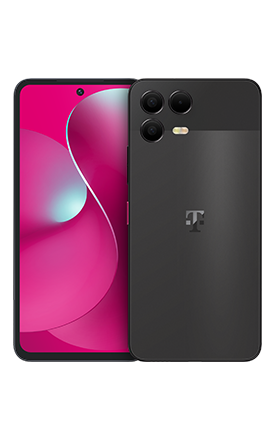
The Evolution of Smartphones: How Pocket-Sized Wonders Became Essential Tools
The journey of smartphones from bulky devices to sleek, pocket-sized wonders is a testament to technological advancement. Initially, mobile phones were merely communication tools, designed for making calls and sending text messages. However, as technology evolved, so did the concept of mobile communication. The introduction of smartphones in the early 2000s transformed these devices into multifunctional gadgets capable of running applications, accessing the internet, and even taking high-quality photographs. This shift not only revolutionized how we connect with others but also laid the groundwork for the all-in-one mobile experience we enjoy today.
As we look at the progression of smartphones, it’s essential to recognize the impact of growing mobile networks and improved hardware. Features like touchscreens, high-definition displays, and powerful processors have elevated smartphones from simple communication devices to essential tools in our everyday lives. Today, we rely on smartphones for various tasks, including navigation, online shopping, and managing our schedules, making them indispensable for both personal and professional use. In fact, smartphones have become so integral to modern life that it’s hard to imagine a world without these incredible pocket-sized devices.
Counter-Strike is a popular multiplayer first-person shooter game that has influenced the esports landscape significantly. Players engage in intense tactical battles, choosing to play as either terrorists or counter-terrorists, with the objective of completing missions or eliminating the opposing team. For those interested in enhancing their content creation, check out the Top 10 Mobile Vlogging Accessories to capture your gameplay moments with style.
10 Everyday Tasks Revolutionized by Smartphones: From Communication to Creativity
In today's fast-paced world, smartphones have become indispensable tools that revolutionize our everyday tasks. From instant messaging to video calls, communication has evolved into a seamless experience that connects us with friends, family, and colleagues across the globe. No longer confined to a single device, we can now switch between platforms effortlessly, ensuring that we stay connected regardless of our location. These advancements in technology have transformed how we interact, making it easier than ever to share information and collaborate in real-time.
Beyond communication, smartphones play a vital role in enhancing our creativity and productivity. With a multitude of applications available at our fingertips, tasks like photo editing, note-taking, and even music composition are now achievable on a handheld device. Consider the following tasks that exemplify this transformation:
- Creating high-quality images with advanced editing software.
- Drafting and organizing ideas using note-taking apps.
- Composing music and beats with digital audio workstations.
These innovations enable us to express our creativity and accomplish daily goals efficiently, all from the convenience of our smartphones.
Are Smartphones Making Us Smarter or More Distracted?
In today's fast-paced digital world, the debate over whether smartphones are making us smarter or more distracted has gained significant traction. On one hand, smartphones provide unparalleled access to information, allowing users to quickly search for answers, learn new skills through educational apps, and connect with experts across the globe. This accessibility can enhance cognitive abilities and promote continuous learning. For instance, apps like Duolingo and Khan Academy are transforming the way we approach education, making learning interactive and engaging. However, the constant notifications and social media updates can lead to fragmentation of attention, ultimately hindering our ability to focus and retain information effectively.
On the flip side, while smartphones serve as powerful tools for knowledge acquisition, they can also be a double-edged sword. The average person checks their phone over 90 times a day, often leading to distractions that disrupt productivity. Experts warn that excessive use of smartphones can contribute to decreased attention spans and an inability to engage in deep, reflective thinking. Additionally, the allure of social media can draw users into a rabbit hole of trivial content, pulling their focus away from more meaningful tasks. Striking a balance is crucial; by being mindful of how we use our devices, we can harness the benefits of smartphones without falling prey to their potential for distraction.