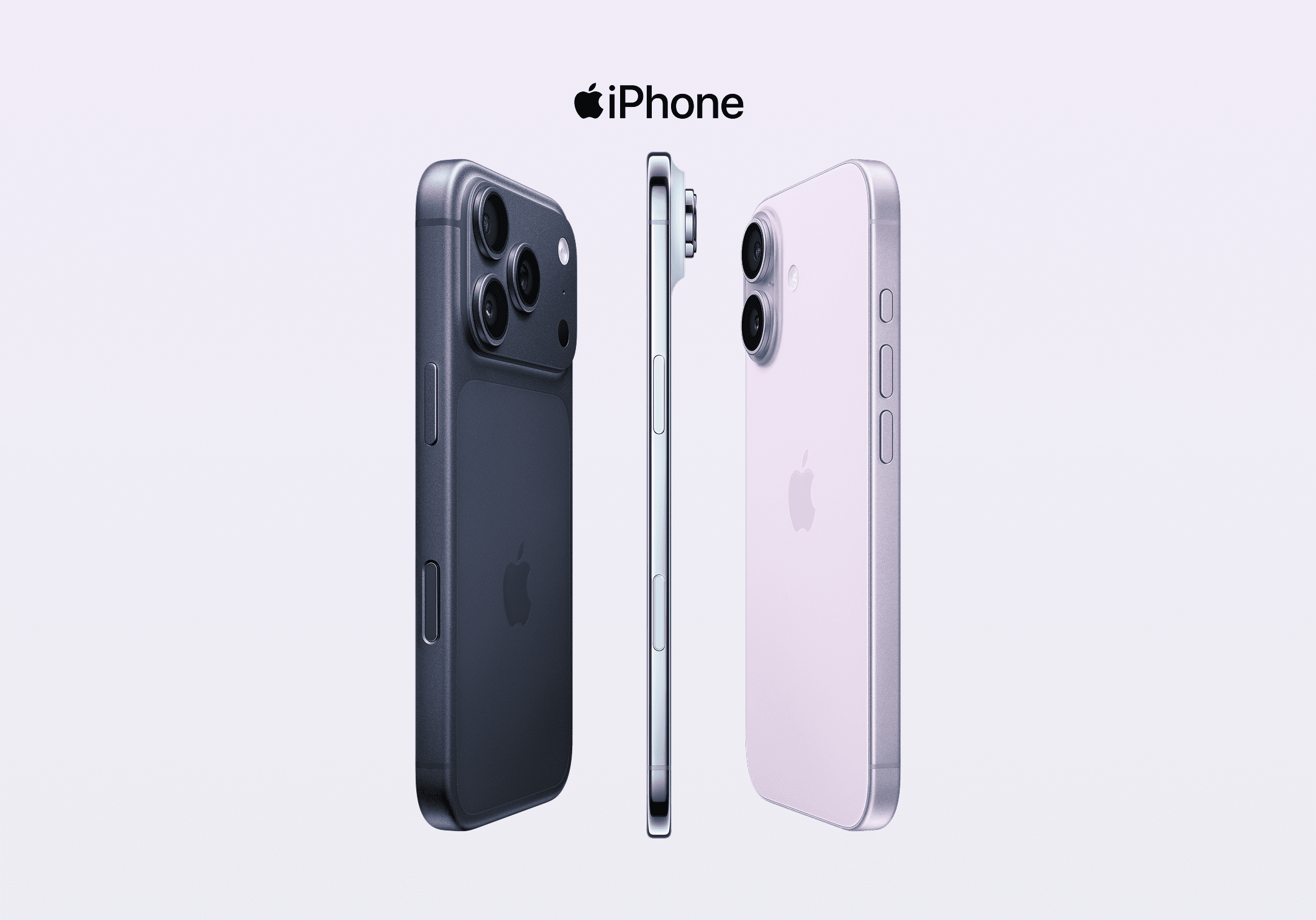
The Evolution of Mobile Technology: From Flip Phones to Smartphones
The world of mobile technology has undergone a remarkable transformation over the past few decades, evolving from the humble flip phone to the powerful smartphone that we rely on today. The early days of mobile communication saw devices that were primarily designed for voice calls, featuring small monochrome screens and limited functionality. As technology advanced, features such as texting, basic internet access, and simple games began to emerge, marking the beginning of a new era in mobile communication. The introduction of the smartphone in the late 2000s revolutionized the industry, combining the capabilities of a mobile phone with those of a computer, allowing users to browse the web, access apps, and stay connected on-the-go.
With the rapid advancements in mobile technology, smartphones have become an integral part of our daily lives. Current devices boast sophisticated operating systems, high-resolution cameras, and powerful processors, enabling users to perform a wide range of tasks with ease. The introduction of app stores revolutionized how we interact with our devices, creating millions of applications that cater to almost every need. As we look to the future, innovations like 5G connectivity, artificial intelligence, and augmented reality promise to further enhance the capabilities of mobile technology, making it an exciting time for users and developers alike.
Counter-Strike is a highly popular first-person shooter game originally released in 1999, where players compete in teams to achieve objectives such as planting or defusing bombs. It has evolved significantly over the years and maintains a dedicated player base across various editions. Additionally, if you're looking for greater functionality with your devices, check out the Top 10 magsafe accessories that can enhance your gaming experience.
5 Ways Your Smartphone Influences Daily Decision Making
In today’s fast-paced world, smartphones have become integral to our everyday lives, influencing our decision-making in myriad ways. With constant access to information, our devices allow us to make informed choices quickly, whether we are deciding where to eat, what to wear, or which route to take for our daily commute. For example, the ease of comparing prices and reading reviews on shopping apps means that consumers can make smarter purchases, reducing impulse buys and boosting confidence in their selections. Understanding this influence is crucial for anyone looking to refine their decision-making process.
Moreover, the reliance on smartphones often extends beyond practical choices to emotional and social decisions as well. Social media platforms provide immediate feedback and validation, which can affect personal choices ranging from how we dress to who we spend our time with. The exposure to curated lifestyles may also lead to decision fatigue, where individuals feel overwhelmed by options and external opinions. Here are 5 ways your smartphone shapes your daily decisions:
- Access to Real-Time Information
- Influence of Social Media
- Location-Based Services
- Price Comparison Tools
- 24/7 Connectivity with Influencers
Is Mobile Dependency Changing Our Social Skills?
The rise of smartphones and mobile devices has led to a significant shift in how we interact with one another. Mobile dependency often results in individuals prioritizing screen time over face-to-face communication, which can diminish our ability to engage in meaningful conversations. Studies indicate that constant notifications and the allure of social media platforms can lead to decreased attention spans, making it harder for people to maintain eye contact and navigate social cues. As a result, many are left questioning whether our growing reliance on technology is eroding essential social skills.
Moreover, the phenomenon known as 'phubbing'—the act of ignoring someone in favor of looking at your phone—has become increasingly common. A recent survey found that over 60% of respondents have experienced feelings of neglect when their companions are glued to their devices. This behavior not only affects personal relationships but can also have wider implications for societal interactions, particularly among younger generations who might not develop the same level of empathy and interpersonal skills as previous ones. Therefore, it is crucial to recognize the potential consequences of our mobile dependency and seek a healthier balance between digital engagement and real-world social interactions.