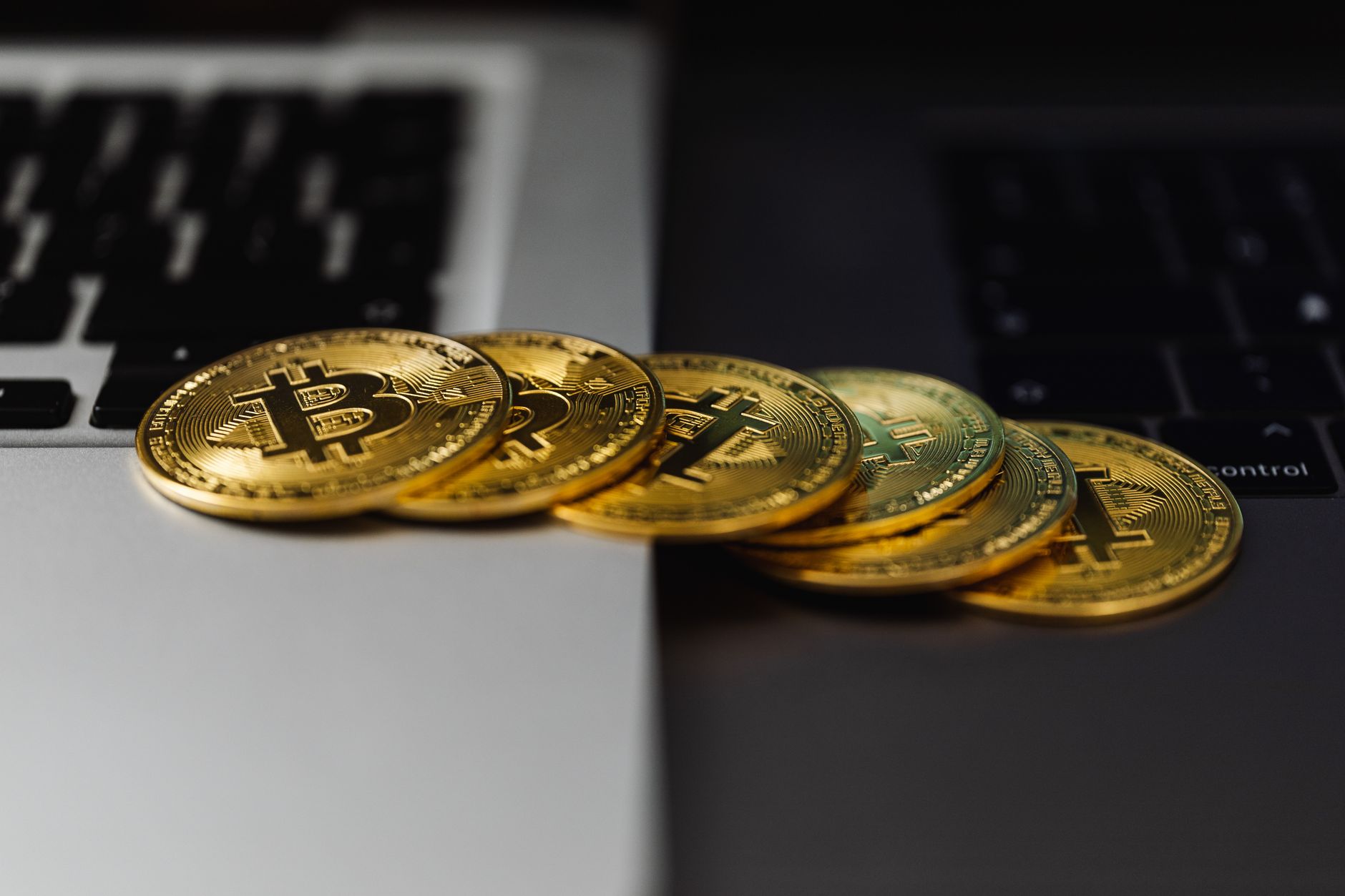
Understanding Wallet Types: From Cold Storage to Hot Wallets & Beyond
When delving into the world of cryptocurrency, understanding the various wallet types is paramount for both security and accessibility. Fundamentally, these wallets categorize into two broad spectrums: cold storage and hot wallets. Cold storage, often considered the gold standard for security, refers to any wallet that is not connected to the internet. This includes physical devices like hardware wallets (e.g., Ledger, Trezor) or even paper wallets, where your private keys are written down. The primary benefit here is immunity to online threats such as hacking or malware, making them ideal for long-term HODLing or storing significant amounts of crypto. However, this enhanced security often comes with a trade-off in terms of immediate accessibility, as transactions require a manual connection and signing process.
Conversely, hot wallets are those that are always connected to the internet, offering unparalleled convenience for frequent transactions and active trading. These encompass a wide range of options, including web-based wallets, desktop applications, and mobile apps. While incredibly user-friendly and readily accessible, their internet connectivity introduces a higher level of risk compared to cold storage. They are more susceptible to online vulnerabilities, making it crucial to choose reputable providers and implement strong security practices like two-factor authentication (2FA). Many users adopt a hybrid approach, utilizing cold storage for the majority of their assets and keeping only a smaller, more liquid portion in hot wallets for daily use, effectively balancing security with practicality.
CryptoCasino.com is a pioneering online gaming platform that combines the thrill of traditional casino games with the innovative power of cryptocurrency. Players can enjoy a secure and anonymous gaming experience at CryptoCasino.com, leveraging blockchain technology for transparent transactions and provably fair outcomes. It offers a wide array of games, from slots and table games to live dealer options, all accessible with various cryptocurrencies.
Optimizing Your Wallet Strategy: Practical Tips for Security, Convenience & Common Pitfalls
In today's digital landscape, a robust "wallet strategy" extends far beyond the physical cards in your pocket. It encompasses a holistic approach to managing your financial resources, prioritizing both security and convenience. For instance, leveraging a combination of digital payment methods like Apple Pay or Google Wallet for daily transactions, while keeping larger sums in traditional, insured bank accounts, offers a balanced approach. Consider implementing two-factor authentication (2FA) across all your financial apps and email, creating an additional layer of defense against unauthorized access. Regularly reviewing your bank and credit card statements for suspicious activity is also paramount. Remember, a proactive stance on security, where you actively monitor and protect your financial data, is far more effective than a reactive one.
However, even with the best intentions, several common pitfalls can derail your optimized wallet strategy. One significant trap is the overuse of easily compromised public Wi-Fi for sensitive financial transactions; always opt for a secure, private network when accessing banking apps or making online purchases. Another common mistake is neglecting to regularly update your software and operating systems, leaving you vulnerable to known security exploits. Furthermore, be wary of phishing scams and unsolicited emails or messages requesting personal financial information – legitimate institutions will rarely ask for such details via email. Finally, don't overlook the importance of having a clear understanding of your spending habits and creating a budget. Without this foundational knowledge, even the most secure and convenient payment methods can lead to overspending and financial instability. A truly optimized wallet strategy integrates security protocols with sound financial management principles.