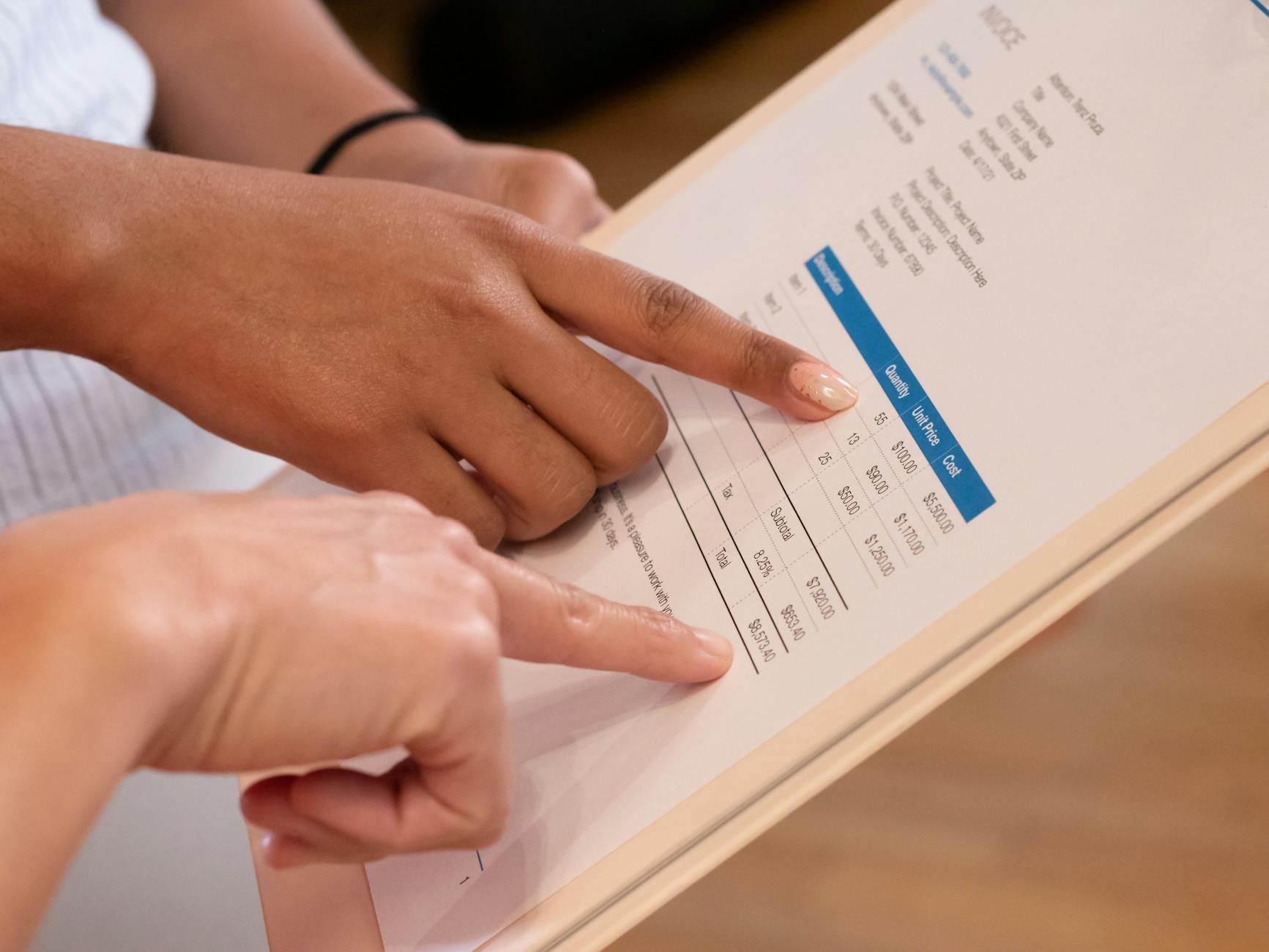
Understanding E-Invoicing Mandates: What They Are, Why They Matter, and How to Prepare
E-invoicing mandates are rapidly becoming a cornerstone of modern business, fundamentally transforming how companies issue and receive invoices. At their core, these mandates require businesses to transmit invoice data directly to a government platform or through certified intermediaries, rather than relying solely on traditional PDF or paper invoices. This shift isn't just about digitizing a process; it's about creating auditable, real-time visibility into transactions for tax authorities. Understanding these mandates involves recognizing their global prevalence, with countries like Italy, India, and most of Latin America already having robust systems in place, and the European Union actively pushing for widespread adoption through initiatives like ViDA (VAT in the Digital Age). The goal is clear: combat tax fraud, reduce the VAT gap, and streamline compliance for businesses.
The significance of these mandates extends far beyond mere compliance; they represent a paradigm shift in financial operations. For governments, they offer unprecedented transparency, enabling more efficient tax collection and real-time oversight of economic activity. For businesses, while the initial transition might seem daunting, the long-term benefits are substantial. These include:
- Reduced administrative burden: Automation minimizes manual data entry and errors.
- Faster payment cycles: Streamlined processing leads to quicker approvals and payments.
- Enhanced data accuracy: Standardized formats improve data quality.
- Improved fraud detection: Real-time validation helps prevent fraudulent invoices.
E-invoicing for financial services is rapidly transforming how the industry manages its transactions, offering enhanced efficiency, security, and compliance. By streamlining the invoicing process from creation to payment, e-invoicing for financial services reduces manual errors, accelerates payment cycles, and significantly lowers operational costs. This digital shift ensures greater transparency and auditability, crucial for an industry heavily regulated and focused on data integrity.
Beyond Compliance: Maximizing ROI with E-Invoicing for Faster Payments and Reduced Costs
The true power of e-invoicing extends far beyond mere regulatory adherence; it's a strategic imperative for businesses aiming to optimize their financial workflows and unlock significant return on investment. By embracing a robust e-invoicing solution, organizations can dramatically accelerate their payment cycles. Think about it: no more delays due to lost paper invoices, manual data entry errors, or slow postal services. Instead, invoices are delivered almost instantaneously, often with automated workflows for approvals, leading to faster payment realization and improved cash flow. This isn't just about getting paid quicker; it's about gaining a competitive edge by having a healthier financial position, allowing for reinvestment, debt reduction, or simply better working capital management. The direct impact on your bottom line from reduced DSO (Days Sales Outstanding) can be transformative.
Beyond the immediate benefit of faster payments, e-invoicing is a powerhouse for cost reduction across numerous operational fronts. Consider the sheer volume of resources currently dedicated to traditional invoicing processes: printing, postage, archiving physical documents, and the labor involved in manual data entry and reconciliation. An effective e-invoicing system virtually eliminates these costs. Furthermore, it significantly reduces the likelihood of human error, which can lead to costly rework, payment disputes, and even late payment penalties. The long-term savings from these efficiencies compound over time, making a compelling case for investment.
- Reduced administrative burden
- Lower material costs (paper, ink, postage)
- Minimized error rates
- Improved audit trails and compliance