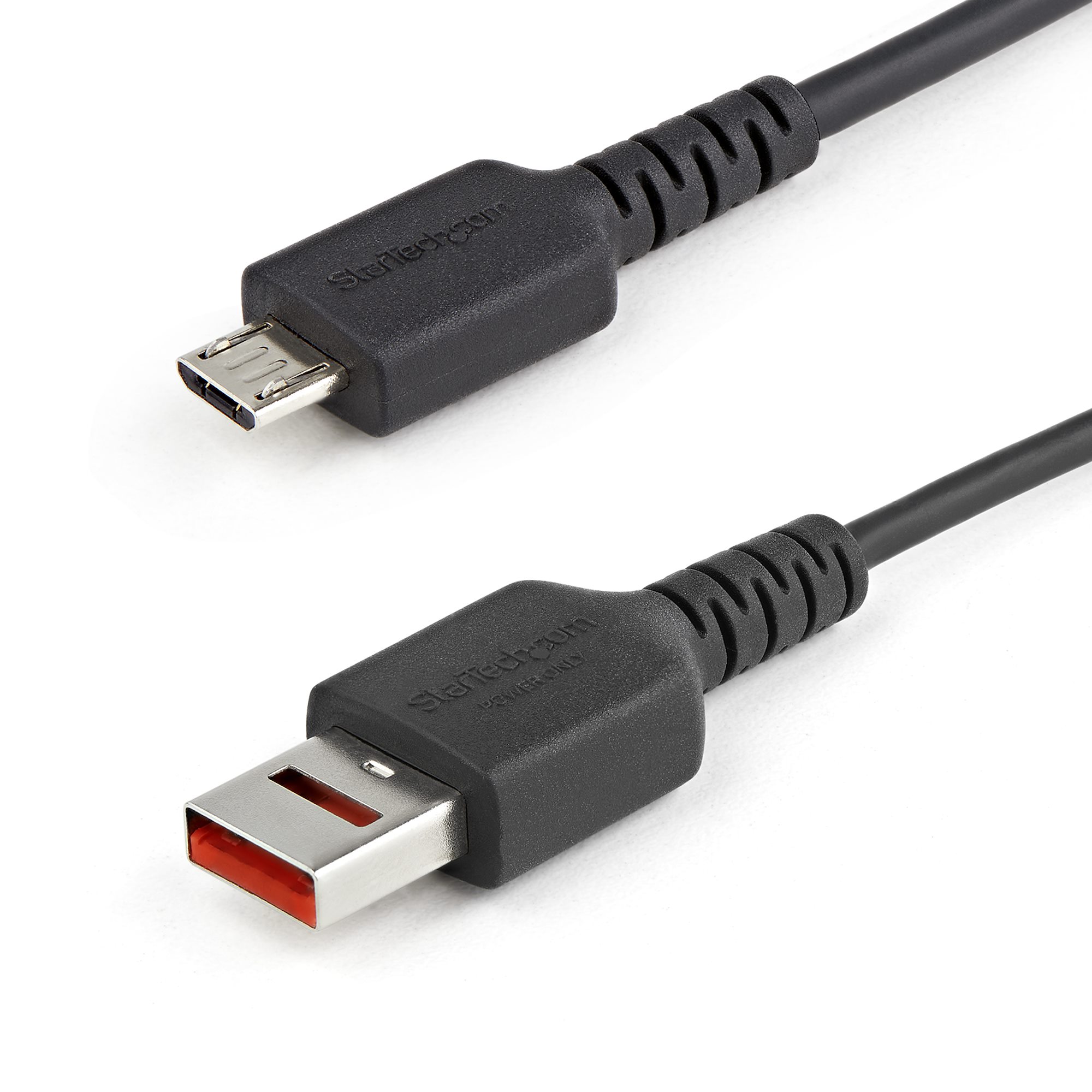
The Evolution of USB Chargers: From USB-A to USB-C
The evolution of USB chargers has transformed the way we power our devices, moving from the original USB-A connectors to the more versatile USB-C. Initially introduced in the late 1990s, USB-A became a standard for data transfer and device charging, featuring a rectangular shape that easily connected to most peripherals. However, as technology advanced, the limitations of USB-A, such as its inability to deliver higher power levels and support data transfer rates exceeding 5 Gbps, became evident. This led to the emergence of newer standards that aimed to enhance user experience and address these challenges.
With the introduction of USB-C in 2014, the landscape began to change dramatically. Unlike its predecessor, USB-C features a reversible design, allowing users to connect cables in any orientation. Moreover, USB-C supports a wide range of functionalities including faster charging capabilities, higher data transfer speeds up to 40 Gbps, and even video output. As a result, this new standard has become increasingly popular in modern devices, from smartphones to laptops, promoting a universal charging solution that simplifies the lives of consumers. The ongoing development of USB technology promises to enhance our gadget interactions, paving the way for even greater innovations in the future.
Counter-Strike is a highly popular first-person shooter game that has captivated gamers since its release. The gameplay revolves around team-based missions, where players take on the roles of terrorists or counter-terrorists. It requires tactical skill, quick reflexes, and strong teamwork to succeed, making it a favorite in competitive gaming. For gamers on the go, check out our Top 10 Compact Travel Chargers to ensure your devices are always charged during intense gaming sessions.
5 Essential Tips for Choosing the Right USB Charger
Choosing the right USB charger is crucial for ensuring your devices charge efficiently and safely. Here are five essential tips to consider when selecting the perfect charger:
- Check Compatibility: Make sure the charger is compatible with your devices, considering both the voltage and amperage requirements.
- Look for Fast Charging Capabilities: If you're always on the go, opt for a charger that supports fast charging technology.
- Prioritize Brand Reputation: Stick to reputable brands that are known for their quality and safety standards.
- Consider Port Availability: Depending on your needs, choose a charger with multiple ports to charge several devices at once.
- Ensure Safety Features: Look for chargers with built-in safety protections to prevent overheating and overcharging.
Why You Should Always Have a Spare USB Charger on Hand
In today's fast-paced world, having a spare USB charger on hand is not just a convenience; it's a necessity. With our reliance on smartphones, tablets, and other electronic devices, the last thing you want is to find yourself with a dead battery when you need your device the most. Whether you're commuting, traveling, or simply at home, a spare charger can save you from the stress of being disconnected. Always having a spare USB charger ensures that you're prepared for unexpected situations, such as an emergency phone call or an important email that requires immediate attention.
Moreover, a spare USB charger can enhance your productivity and peace of mind. Imagine being in a situation where your primary charger malfunctions or is left behind during a trip. Instead of scrambling to find a replacement or relying on public charging stations—which may not always be safe or available—you can simply grab your spare. This small backup can make a significant difference in your daily routine. So, consider investing in a high-quality USB charger and keep one in your bag, car, or office. After all, having a spare USB charger can keep you connected and focused on what truly matters.