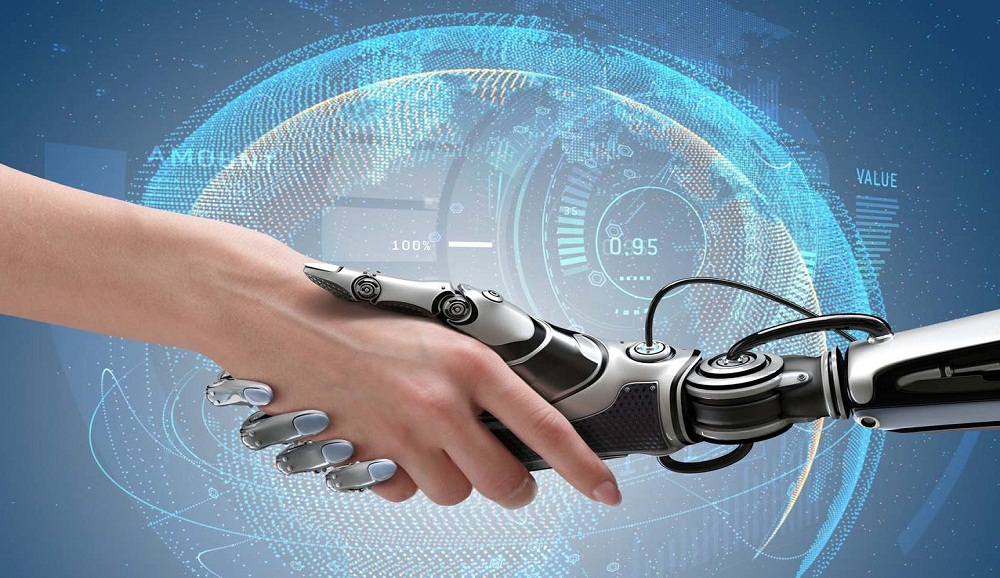
The Rise of Smart Homes: How Automation is Revolutionizing Daily Life
The concept of smart homes has rapidly gained traction over the last decade, transforming the way we interact with our living spaces. With the rise of innovative technologies, home automation systems enable homeowners to control various aspects of their homes seamlessly. From smart thermostats that adjust temperatures automatically to smart lighting systems that can be controlled via voice commands, these advancements have not only enhanced comfort but also improved energy efficiency. For instance, smart devices contribute to reducing energy consumption, leading to lower utility bills and a smaller carbon footprint.
Moreover, the influence of automation extends beyond mere convenience; it also enhances home security and personal safety. Smart security cameras, alarm systems, and smart locks provide homeowners with real-time monitoring and control over who enters their homes, even when they are away. This level of security is further bolstered by AI-driven analytics that can identify unusual activity and alert homeowners promptly. As these technologies continue to evolve, experts predict that the future of living will embrace even more interconnected devices, creating a holistic ecosystem that will redefine daily life.
Counter-Strike is a highly popular first-person shooter game that emphasizes teamwork and strategy. Players can choose between two teams: Terrorists and Counter-Terrorists, engaging in various objective-based modes. For gamers looking to enhance their gaming setup, consider checking out the Top 10 Bluetooth Tablet Keyboards for superior performance and comfort.
Wearable Technology: Tracking Health and Enhancing Well-being
In recent years, wearable technology has revolutionized the way we monitor our health and enhance our well-being. Devices such as smartwatches, fitness trackers, and health monitors are equipped with advanced sensors that can track a variety of health metrics, including heart rate, sleep patterns, and physical activity levels. These gadgets not only provide real-time data but also encourage users to stay active, set goals, and maintain a healthier lifestyle. As wearables become more integrated into daily life, the potential for personalized health insights and proactive wellness strategies increases significantly.
The impact of wearable technology on our health is profound. According to a recent study, users of fitness trackers reported a 25% increase in their daily activity levels and a noticeable improvement in their overall mental well-being. Furthermore, these devices often come with associated mobile applications that facilitate meditation, stress management, and even nutritional tracking. With increasingly sophisticated technology, it’s clear that wearables are not just a trend; they are a pathway to a healthier and more informed lifestyle. By embracing this innovation, individuals can take control of their health like never before.
What is the Internet of Things (IoT) and How is it Reshaping Our World?
The Internet of Things (IoT) refers to the interconnected network of devices and systems that communicate and exchange data over the internet. This technological evolution has enabled everyday objects, from home appliances to industrial machinery, to be embedded with sensors and software, allowing them to transmit and receive data. As a result, IoT is transforming how we interact with our environments, enhancing operational efficiency and user experience across various domains, including healthcare, transportation, and smart cities. With an estimated 75 billion devices expected to be connected by 2025, the influence of IoT is poised to reshape our daily lives significantly.
As IoT continues to develop, it presents numerous opportunities and challenges. On one hand, enhanced connectivity leads to improved productivity and innovation; for instance, businesses can leverage real-time data analytics to streamline operations and reduce costs. On the other hand, concerns surrounding data security and privacy emerge as more devices collect sensitive information. To harness the full potential of IoT while mitigating risks, it is crucial for organizations to invest in robust security measures and adopt regulatory frameworks that protect user data. Ultimately, the Internet of Things is not just a technological shift; it's a transformation that is poised to redefine how we live and work.