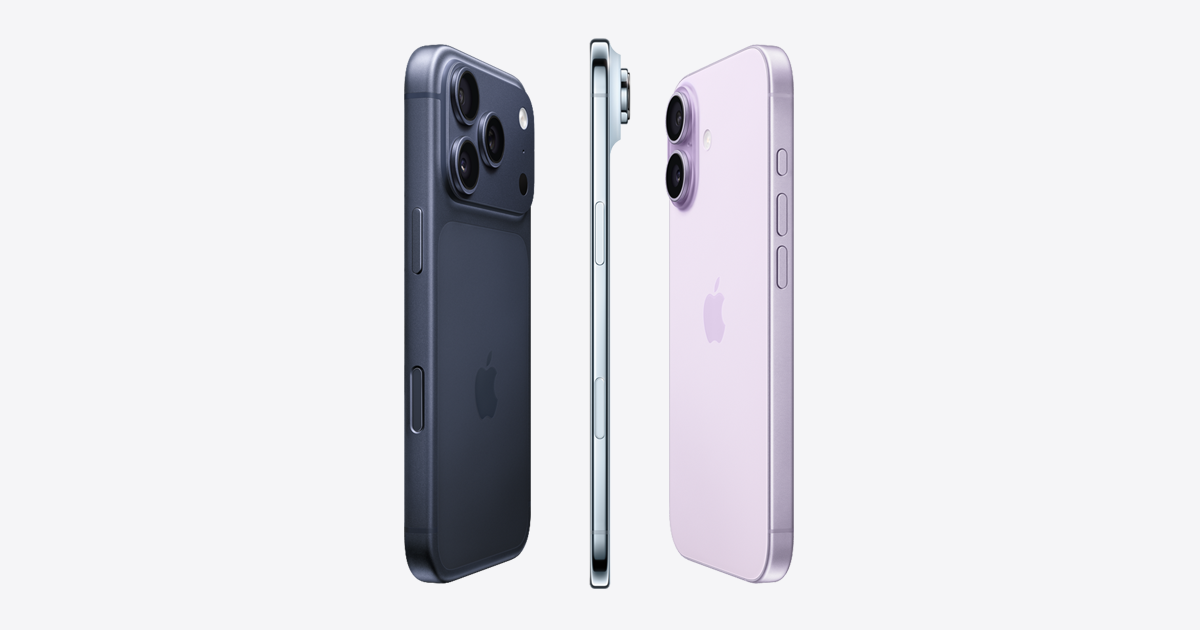
The Evolution of Smartphones: From Brick to Pocket-Sized Powerhouses
The evolution of smartphones has been nothing short of revolutionary, transforming from bulky, brick-like devices to powerful, sleek gadgets that fit comfortably in our pockets. In the early days of mobile technology, devices like the Motorola DynaTAC were monumental in size and functionality, primarily serving the purpose of making calls. As technology advanced, we saw the introduction of features such as text messaging, rudimentary internet browsing, and even basic applications. Today's smartphones, such as the latest models from Apple and Samsung, are equipped with advanced processing power, high-definition cameras, and robust app ecosystems, enabling users to perform a myriad of tasks with ease.
The journey from the original brick phone to today's pocket-sized powerhouses can be encapsulated in several key developments:
- Touchscreen Interface: The transition from physical keyboards to touchscreens revolutionized user interaction.
- Internet Connectivity: The rise of 3G, 4G, and now 5G has made seamless internet access a norm.
- App Ecosystem: The introduction of app stores has led to an explosion of creativity, allowing developers to create applications for virtually every aspect of life.
Counter-Strike is a highly competitive first-person shooter game that has captured the attention of gamers worldwide. Known for its team-based gameplay, it pits terrorists against counter-terrorists in various objective-based scenarios. For players looking to enhance their gaming experience, check out the Top 10 iPhone 16e cases to protect their devices during intense gaming sessions.
How Smartphones Have Changed Communication Forever
The advent of smartphones has revolutionized the way individuals communicate, fundamentally altering both social interactions and the professional landscape. Gone are the days of relying solely on landlines or even basic mobile phones; today, communication happens in real-time through various platforms. With features like instant messaging, video calls, and social media applications, people can connect with friends and family across the globe, ensuring that distance is no longer a barrier. This rapid exchange of information has not only made personal communication easier but has also enhanced collaborative efforts in workplaces, leading to unprecedented productivity levels.
Furthermore, the accessibility of information through smartphones has influenced the way messages are conveyed. Users can share photos, videos, and links instantly, creating a rich tapestry of communication that is both visual and verbal. Smartphones have enabled users to express themselves creatively, allowing for a variety of communication styles that cater to different audiences. Additionally, the rise of messaging apps and social media means that communication is often asynchronous, granting users the flexibility to respond on their own time. As we move further into the digital age, it's clear that the impact of smartphones on communication is profound and enduring.
Are Smartphones Making Us Smarter or Slower?
In today's fast-paced digital world, many experts argue that smartphones are reshaping our cognition. On one hand, these devices serve as powerful tools that enhance our ability to access information instantly. With just a few taps, we can gather data, stay connected, and manage our daily tasks. Features like voice assistants and productivity apps have made it easier than ever to organize our thoughts and responsibilities. However, this constant connectivity can also lead to a decline in our attention spans and memory retention. Research suggests that relying on our smartphones for information might diminish our natural problem-solving skills and critical thinking abilities.
Conversely, some studies indicate that smartphones can actually enhance our intelligence by offering us access to a wealth of knowledge. For instance, educational apps and online courses can promote continuous learning and skill development. Furthermore, smartphones enable us to collaborate effortlessly with others, fostering creativity and innovation. According to a study by psychologists, the multitasking capabilities of smartphones can improve our ability to process multiple streams of information. Thus, while it may seem that smartphones are making us slower, they could be equipping us with tools to grow and adapt in a rapidly evolving world.