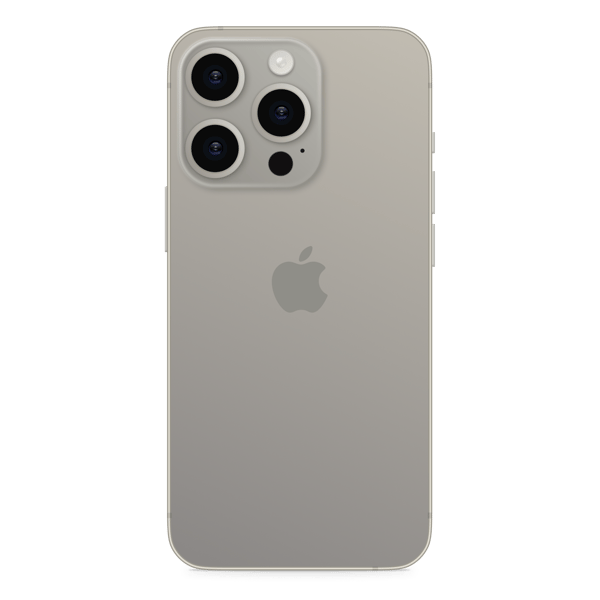
The Evolution of the iPhone: From a Simple Phone to a Global Phenomenon
The iPhone revolutionized the mobile phone industry when it was first launched by Apple in 2007. Initially introduced as a simple phone with a sleek touchscreen interface, it combined a mobile phone, an iPod, and an Internet communicator into one versatile device. The introduction of the App Store in 2008 marked a pivotal moment in the evolution of smartphones, allowing third-party developers to create applications that enhanced the user experience. With each new iteration, from the iPhone 3G to the latest models, advancements such as improved cameras, facial recognition, and augmented reality capabilities have continually pushed the boundaries of what a phone can do.
As the years passed, the iPhone transformed from a groundbreaking gadget into a global phenomenon, influencing not just technology but culture as a whole. High-profile marketing campaigns and unique features, such as Siri and Apple Pay, have solidified its place in the market. Today, the iPhone is not just a communication tool; it serves as a platform for social networking, online shopping, and even fitness tracking. The iPhone’s ability to adapt to consumer needs has made it a lasting icon, and its impact continues to shape the future of mobile technology.
Counter-Strike is a highly popular team-based first-person shooter that has captivated gamers for years. Players engage in tactical gameplay as they assume the roles of either terrorists or counter-terrorists in various game modes. For those looking to protect their devices while gaming on the go, check out the Top 10 iphone rugged cases to keep your iPhone safe during intense matches.
How the iPhone Revolutionized Communication and Technology
The launch of the iPhone in 2007 marked a pivotal moment in the evolution of communication and technology. Before its arrival, mobile phones were primarily used for voice calls and text messaging, often containing limited features that catered to the basic needs of users. However, the iPhone introduced a multi-functional platform that combined phone capabilities with internet access, a versatile app ecosystem, and a user-friendly touchscreen interface. As a result, it inspired a new wave of smartphones and transformed how people interact with each other and the world around them.
One of the most significant impacts of the iPhone was its ability to facilitate instant communication across various channels. With features such as iMessage, video calls through FaceTime, and social media integration, users gained unprecedented access to connectivity. This created a culture of immediacy, where communication became more dynamic and versatile. Furthermore, the integration of advanced technologies like GPS and augmented reality has enabled users to engage in new and innovative ways, solidifying the iPhone's role as a cornerstone in modern communication and technology.
What Makes the iPhone a Game-Changer in the Smartphone Industry?
The iPhone has significantly transformed the smartphone industry since its launch in 2007, establishing itself as a benchmark for innovation and user experience. Its sleek design, intuitive interface, and robust functionality introduced a new era of mobile communication. The seamless integration of hardware and software, particularly through the iOS ecosystem, has set a standard for other manufacturers to follow. Moreover, the introduction of the App Store has revolutionized how users interact with their devices, allowing millions to access a wide range of applications that enhance productivity, entertainment, and connectivity.
Another aspect that solidifies the iPhone as a game-changer is its focus on privacy and security. Apple has consistently prioritized user data protection, implementing advanced features like Face ID and end-to-end encryption for messages. This commitment not only fosters user trust but also distinguishes the iPhone in an industry where data breaches are increasingly common. Furthermore, the iPhone's regular software updates and support for older models demonstrate Apple's dedication to delivering a lasting user experience, ensuring that customers remain engaged with their devices for years to come.