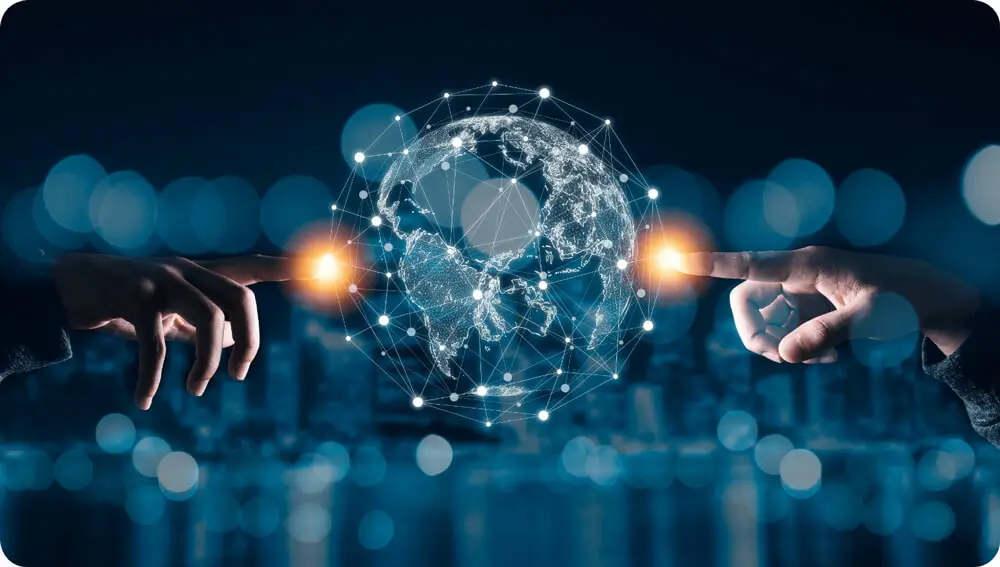
Exploring the Impact of Connectivity on Modern Communication
In today's fast-paced digital landscape, the impact of connectivity on modern communication cannot be overstated. As individuals and businesses rely increasingly on various digital platforms, the way we interact, share information, and build relationships has transformed dramatically. Enhanced connectivity has facilitated instant messaging, video conferencing, and social media interactions, effectively bridging geographical divides and making communication more accessible. One of the significant advantages of this evolution is the ability for people to collaborate in real-time, regardless of their physical locations.
Moreover, the rise of mobile technology has further amplified the impact of connectivity on communication. With smartphones and tablets at our fingertips, we can connect with others anytime, anywhere. This pervasive connectivity has led to the rise of social networks, where ideas and conversations flow continuously. However, it also raises concerns regarding information overload, privacy, and the quality of interactions. As we navigate this modern communication landscape, it's essential to strike a balance between leveraging connectivity and maintaining meaningful personal connections in our lives.
Counter-Strike is a popular first-person shooter game that emphasizes teamwork and strategy, where players assume the roles of terrorists or counter-terrorists. For those looking to enhance their gaming experience on a MacBook, check out our Top 10 MacBook Air Accessories that can help elevate your performance. The game's competitive nature and various modes keep players engaged and challenged.
How Connectivity Shapes Our Digital Experiences
In today's hyper-connected world, connectivity plays a pivotal role in shaping our digital experiences. The internet has transformed from a luxury into a necessity, allowing individuals and businesses to communicate, collaborate, and consume content seamlessly. As we navigate through various platforms, such as social media, online education, and e-commerce, the quality and speed of our connectivity significantly influence our user experience. A stable internet connection enhances our ability to engage with rich media, attend virtual events, and access real-time information, making our digital interactions more meaningful and productive.
Moreover, the rise of connectivity technologies, including 5G and IoT (Internet of Things), is set to redefine how we interact with the digital landscape. With faster connection speeds and more devices linked together, users can expect an increase in personalized experiences tailored to their preferences. For instance, smart home devices can sync effortlessly, allowing users to manage their environments with a few taps on their smartphones. This interconnectedness not only elevates user convenience but also opens doors to innovative applications and solutions that enhance our daily lives, firmly underscoring the importance of connectivity in our digital experiences.
What Does Connectivity Mean for the Future of Technology?
Connectivity is rapidly transforming the technological landscape, paving the way for innovations that enhance efficiency and interactivity. As devices become increasingly interconnected through the Internet of Things (IoT), they create a smart ecosystem that can communicate seamlessly. This leads to advancements in various sectors, including healthcare, where remote monitoring devices can track patient data in real-time, and smart homes that enable homeowners to control appliances from their smartphones. The future technology powered by connectivity also holds noteworthy implications for data analysis, allowing for more informed decision-making through real-time data collection and analysis.
Moreover, the implications of enhanced connectivity extend beyond individual convenience to include broader impacts on society and the economy. Increased connectivity fosters the development of advanced technologies such as artificial intelligence and machine learning, driving innovation across industries. It brings forth a new era where everything from transportation to communication can be optimized. As we move forward, the integration of connectivity in our daily lives will redefine our approach to problem-solving and productivity, highlighting the critical importance of this phenomenon in shaping the future of technology.